

How to Tell the Difference Between Bees, Wasps, Hornets, and Yellow Jackets
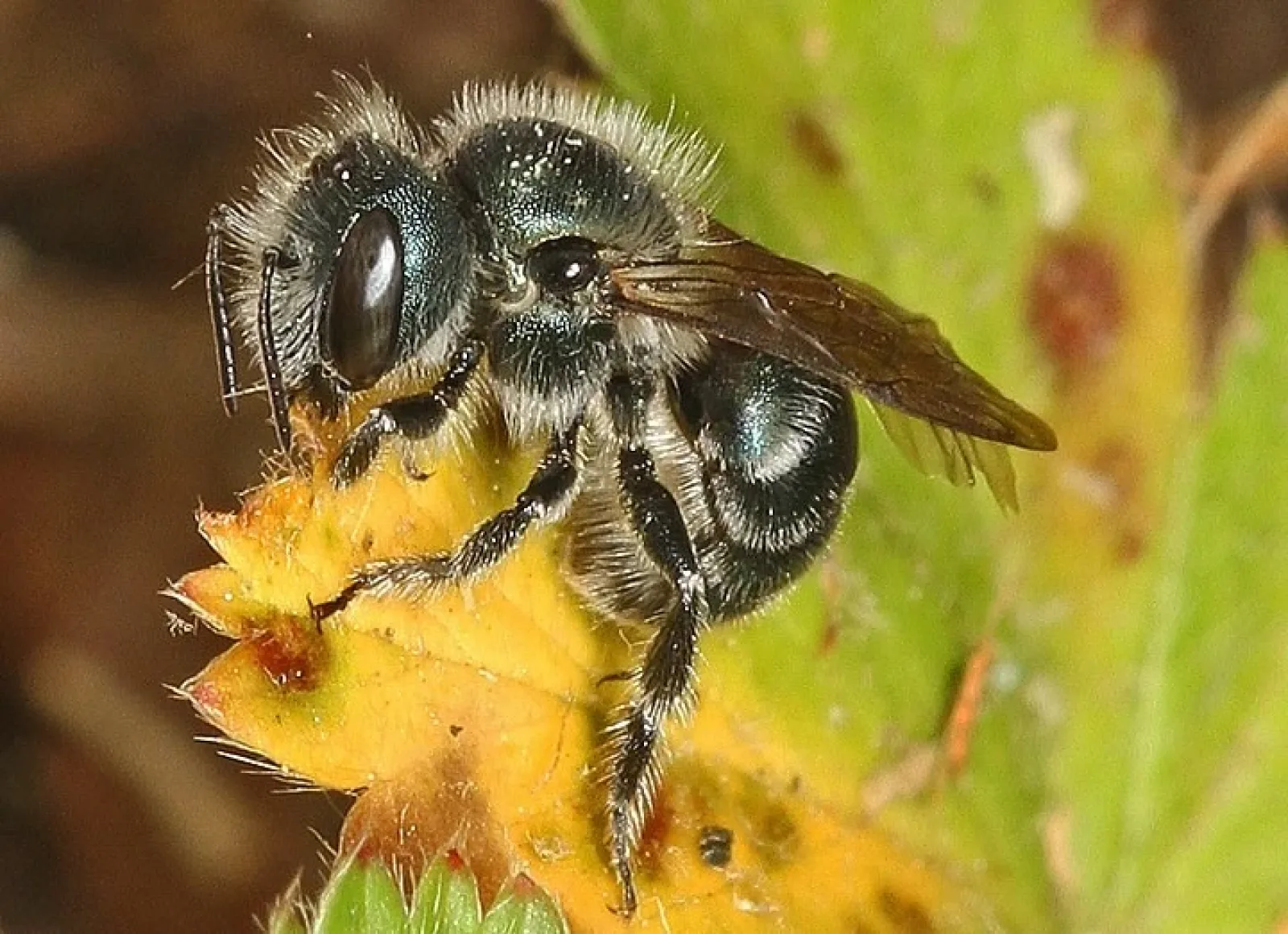
Not all stinging insects are created equal, and identifying what you’re seeing is an important first step. Bees, like honey bees and bumblebees, are fuzzy and round-bodied. They’re focused on flowers and usually not aggressive unless provoked.
Wasps and hornets have slender, smooth bodies with a shiny appearance. Hornets are a type of wasp but tend to be larger and build large aerial nests. Yellow jackets are also wasps, but they’re often confused with bees because of their bold black-and-yellow stripes. Unlike bees, wasps and yellow jackets can sting repeatedly, which makes them more of a hazard when nests are disturbed.
Nesting location can also be a clue. Honey bees build waxy hives inside cavities, while wasps and hornets construct papery nests in visible or hidden spots. Yellow jackets frequently nest in the ground or in wall voids, which can make them hard to spot until activity ramps up.
If you’re ever uncertain, it’s safest not to approach the nest at all. Identification may seem straightforward online, but in practice, it takes experience. Calling in a professional ensures both proper identification and safe removal.