


Stinging Insects: Common Myths About Bees and Wasps
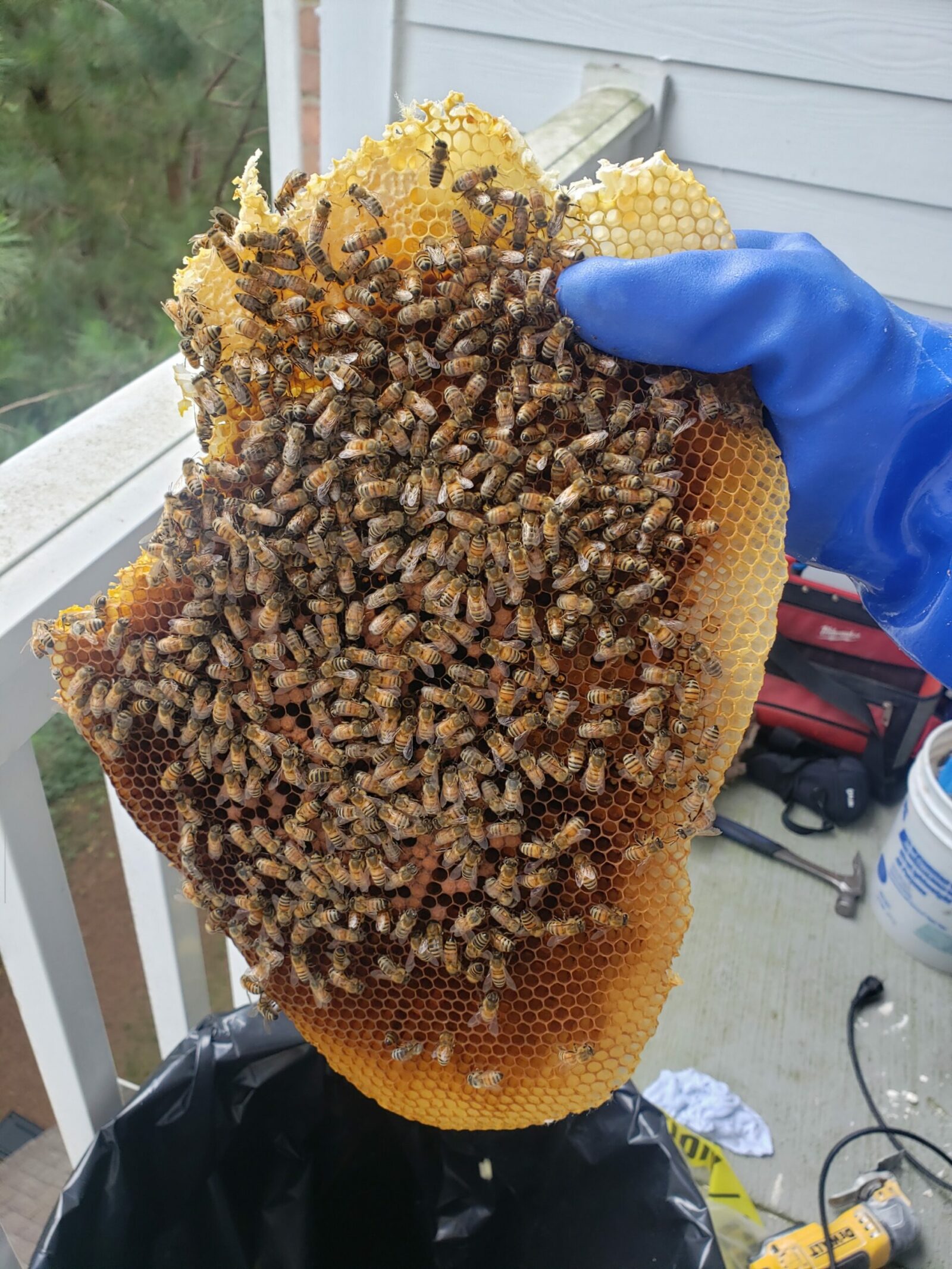
Stinging insects are one of the most misunderstood parts of our environment. Whether it’s bees in the garden or wasps near your home, myths often shape how people react—usually with unnecessary fear or ineffective solutions. Understanding the truth about stinging insects can help you respond more safely and make better decisions when they appear on your property.
Are All Stinging Insects Aggressive?
One of the biggest misconceptions about stinging insects is that they are all aggressive and looking to sting. In reality, most honey bees are relatively calm and focused on collecting nectar and supporting their hive. They typically only sting when they feel directly threatened.
Wasps and yellow jackets, which are also common stinging insects, tend to be more defensive—especially in late summer and early fall. However, even these insects are not actively seeking out humans. Most stings occur when a nest is disturbed or when they are attracted to food or sugary drinks.
SEO takeaway: Not all stinging insects are aggressive, and understanding their behavior can help prevent unnecessary encounters.
Do Stinging Insects Leave If You Use Smoke?
Another common myth is that smoke will permanently drive away stinging insects. While smoke is often used by beekeepers, it only provides a temporary effect. It calms bees by disrupting their communication and encouraging them to focus on feeding rather than defense.
Once the smoke clears, the stinging insects return to normal activity, and the hive remains intact. This means smoke is not a long-term solution for removing a colony from your home or property.
SEO takeaway: Smoke may calm stinging insects temporarily, but it does not eliminate nests or solve infestations.
Does Removing the Queen Eliminate Stinging Insects?
Many people believe that killing a queen will end an entire colony of stinging insects. In reality, colonies are often resilient. If a queen is lost, the colony can produce a new one and continue functioning.
This is especially true for bees, where the structure of the hive allows for regeneration and survival. Without removing the full nest or hive, the problem is likely to continue.
SEO takeaway: Removing a queen does not guarantee the removal of stinging insects from your property.
Are DIY Solutions Effective for Stinging Insects?
DIY sprays, traps, and home remedies are often marketed as quick fixes for stinging insects. While these methods may reduce visible activity temporarily, they rarely address the root issue—the nest.
In some cases, improper use of sprays can actually provoke stinging insects, increasing the risk of aggressive behavior and stings. Traps may catch a few insects, but they won’t eliminate a well-established colony hidden in walls, attics, or underground.
SEO takeaway: DIY methods are rarely effective for fully removing stinging insects and may make the situation worse.
Will Insects Go Away on Their Own?
Another common belief is that stinging insects will simply leave if ignored. While some species, like certain wasps, may die off in colder months, that doesn’t mean the problem is gone for good.
Nesting sites can be reused, and favorable conditions may attract new colonies in the future. Ignoring stinging insects can allow the issue to grow into a larger, more difficult problem over time.
SEO takeaway: Stinging insects may not resolve themselves and can return if conditions remain ideal.
Why Understanding Stinging Insects Matters
Dispelling myths about stinging insects isn’t just about correcting misinformation—it’s about safety. When you understand how these insects behave, you can reduce fear, avoid unnecessary risks, and choose the right solution.
Whether that means safely relocating honey bees or removing a more aggressive nest, informed decisions lead to better outcomes for both homeowners and the environment.
Final Thoughts
Stinging insects play an important role in our ecosystem, but that doesn’t mean they belong inside or around your home. The key is knowing how to respond when they appear.
By separating fact from fiction, you can approach stinging insects with confidence—protecting your home while also respecting the role these insects play in nature.