


Why Yellow Jackets Get More Aggressive in the Fall — and What Homeowners Should Do
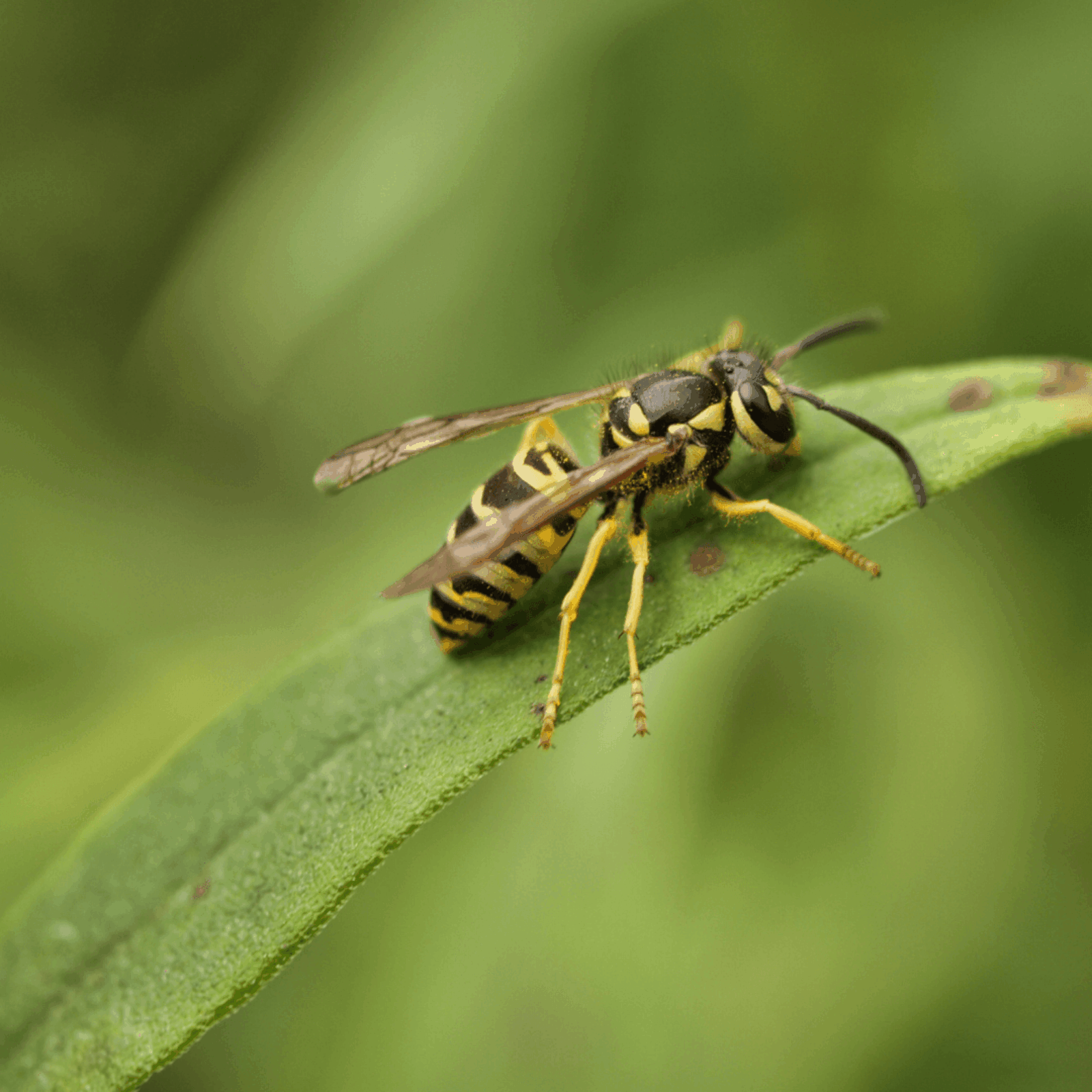
As summer turns into fall, you may notice something unpleasant happening around your home: yellow jackets seem to be everywhere.
They’re hovering around garbage cans, showing up during backyard meals, flying around decks and patios, and sometimes becoming noticeably more aggressive.
This increase in activity isn’t your imagination. Late summer and early fall are some of the most active times of year for yellow jackets. Understanding why their behavior changes—and knowing when you may have a nest on your property—can help protect your family and prevent a small problem from becoming a much bigger one.
Why Are Yellow Jackets So Active in the Fall?
Yellow jacket colonies grow throughout the spring and summer. By late summer and early fall, a mature colony may contain thousands of insects.
At the same time, their food needs begin to change. Earlier in the season, yellow jackets spend much of their time hunting insects and collecting protein to feed developing larvae. Later in the year, they become increasingly interested in sugars and carbohydrates.
That’s why yellow jackets suddenly seem especially interested in your:
- Soda and other sweet drinks
- Outdoor meals
- Garbage cans
- Fallen fruit
- Desserts
- Pet food
- Recycling containers
A backyard that didn’t seem to have a yellow jacket problem earlier in the summer can suddenly become a hotspot for activity.
Why Do Yellow Jackets Become More Aggressive?
As fall approaches, the yellow jacket colony is also approaching the end of its seasonal life cycle.
Food sources become less plentiful, temperatures begin changing, and the colony’s behavior shifts. Yellow jackets may become more persistent while searching for food and more defensive around their nest.
This creates more opportunities for people and pets to encounter them.
Simply swatting at a yellow jacket can also make the situation worse. When threatened, yellow jackets can defend themselves aggressively, and unlike honey bees, they are capable of stinging multiple times.
Where Do Yellow Jackets Build Their Nests?
One reason yellow jacket removal can be difficult is that their nests aren’t always easy to see.
Many species build nests underground in abandoned animal burrows or other existing cavities. Others may establish colonies inside structures.
Common nesting locations around homes include:
- Underground holes
- Landscaping and garden beds
- Beneath decks
- Inside wall voids
- Attics
- Soffits and rooflines
- Sheds
- Around foundations
- Behind siding
Homeowners often discover a nest after noticing multiple yellow jackets repeatedly entering and exiting the same location.
If you’re seeing consistent traffic around one hole, crack, or area of your home, there may be a nest nearby.
Yellow Jackets vs. Honey Bees: Know the Difference
Not every yellow-and-black insect around your home is the same.
Honey bees are important pollinators and typically behave differently from yellow jackets. Honey bees are generally fuzzier, while yellow jackets tend to have smoother bodies with bright yellow-and-black markings.
Their nesting behavior is different as well. Honey bees may establish permanent colonies inside walls, trees, or other protected cavities. Yellow jacket colonies are generally seasonal.
Correctly identifying the insect is important because honey bee removal and yellow jacket removal require different approaches.
If you aren’t sure what’s flying around your home, a professional bee and stinging insect removal company can help identify the species before recommending a solution.
Signs You May Have a Yellow Jacket Nest on Your Property
Seeing one or two yellow jackets doesn’t necessarily mean you have a nest. They can travel considerable distances while searching for food.
However, there are several warning signs worth watching for.
You may have a yellow jacket nest nearby if you notice:
- Numerous yellow jackets in one concentrated area
- Insects repeatedly entering and leaving the same opening
- Heavy activity near the ground
- Yellow jackets disappearing behind siding or into a wall
- Increased activity around a particular part of your roofline
- Buzzing coming from inside a wall or ceiling
Pay particular attention to flight patterns. If insects consistently travel to and from one specific location, they’re likely using it as an entrance to a nest.
Why DIY Yellow Jacket Removal Can Be Risky
Finding a nest often leads homeowners to reach for a can of insect spray.
That isn’t always the safest solution.
Yellow jackets aggressively defend their colonies when they perceive a threat. Disturbing a nest—especially a large, established colony—can cause many insects to emerge at once.
This becomes particularly dangerous when the nest is located underground, inside a wall, near an entrance to the home, or in an area where children and pets regularly spend time.
Sealing an entrance to a nest located inside your home can also create problems. If yellow jackets can no longer use their normal entrance, they may search for another exit. In some situations, that can send them farther into the structure.
What Should You Do If You Find a Yellow Jacket Nest?
The first step is simple: keep your distance.
Avoid disturbing the nest or blocking the entrance. Keep children and pets away from the area and watch the insects from a safe distance to determine where they’re entering and exiting.
If the nest is located near your home or an area your family regularly uses, contact a professional for an evaluation.
Professional yellow jacket removal allows the problem to be addressed while reducing unnecessary exposure to an aggressive colony.
Can You Prevent Yellow Jackets Around Your Home?
You can’t completely eliminate yellow jackets from your property, but you can make your home less attractive to them.
During late summer and fall:
- Keep outdoor garbage containers tightly closed.
- Clean food and drink spills quickly.
- Don’t leave pet food outdoors.
- Pick up fallen fruit around fruit trees.
- Rinse sugary drink containers before placing them in recycling.
- Inspect your home’s exterior for gaps and openings.
- Be cautious around holes in lawns and landscaping.
Preventive maintenance is particularly important around siding, soffits, rooflines, vents, and other areas where insects may gain access to your home.
Don’t Ignore Heavy Yellow Jacket Activity This Fall
An occasional yellow jacket around your yard is normal. Dozens of yellow jackets repeatedly entering the same hole are another story.
If you’re seeing significant yellow jacket activity around your home, identifying the source early can help you avoid painful encounters and determine whether professional removal is necessary.
TruNorth Bee Removal provides professional yellow jacket, hornet, and bee removal services throughout Indiana, Illinois, and Michigan. Whether you’re dealing with yellow jackets in the ground, insects entering your home, or a honey bee colony that needs to be safely relocated, TruNorth can identify the problem and recommend the appropriate removal approach.
Don’t wait for someone to get stung before addressing an active nest. If you’ve noticed unusual bee, wasp, hornet, or yellow jacket activity around your property, contact TruNorth Bee Removal to have the situation evaluated.