


Why Bees Love Your Home in July (And What You Should Do If They Move In)
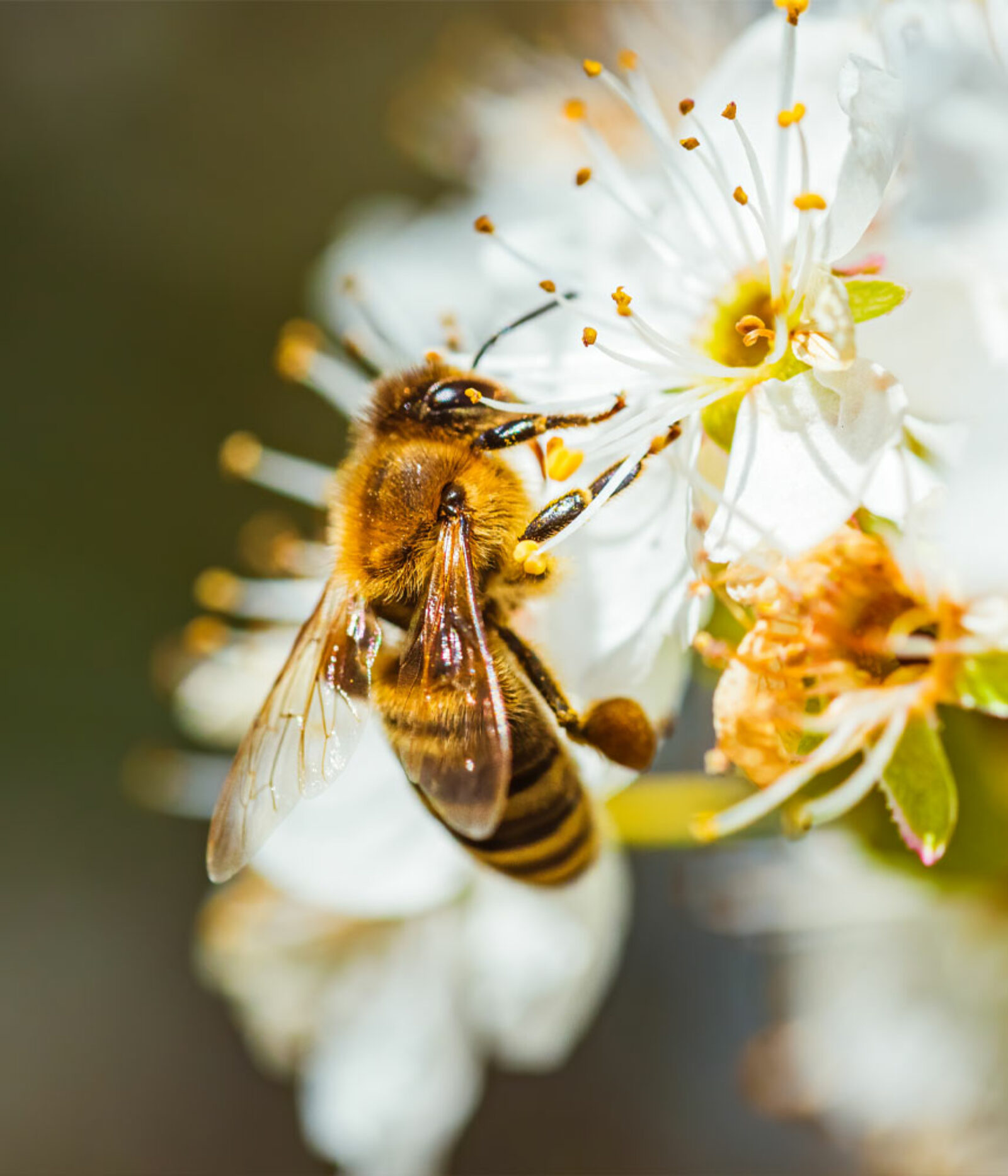
Knowing why bees choose certain homes—and recognizing the warning signs early—can save you money, protect your family, and help preserve these important pollinators.July is one of the busiest months of the year for bee removal. Warm temperatures, abundant flowers, and longer daylight hours create ideal conditions for bees to forage, build colonies, and expand existing hives. While seeing bees visiting your garden is usually a good thing, discovering hundreds or even thousands of them entering your home’s siding, soffits, chimney, or wall can quickly become a serious problem.
Why July Is Peak Bee Activity
By July, honey bee colonies are operating at full strength. A healthy colony can contain tens of thousands of bees, all working together to gather nectar, raise young bees, and store honey for the future.
During this time of year, scout bees are constantly searching for protected spaces where a colony can thrive. Unfortunately, many homes provide exactly what they’re looking for.
Common nesting locations include:
- Exterior walls
- Attics
- Chimneys
- Roof overhangs
- Porch ceilings
- Floor joists
- Hollow trees near homes
- Sheds and detached garages
Once a colony establishes itself inside a structure, it will continue building wax comb and storing honey until the hive is professionally removed.
Signs Bees May Be Living Inside Your Home
Many homeowners don’t realize they have an established colony until weeks after the bees arrive.
Watch for these common warning signs:
- A steady stream of bees entering and exiting the same small opening.
- Increased bee activity during the warmest parts of the day.
- Buzzing sounds coming from inside a wall or ceiling.
- Sticky stains appearing on drywall or exterior siding.
- A sweet honey smell inside your home.
- Bees appearing indoors near windows or light fixtures.
If you notice these signs, it’s important to avoid sealing the entrance or spraying pesticides. Doing so often traps bees inside the structure, making removal more difficult and potentially causing additional damage.
Why DIY Bee Removal Can Make Things Worse
Many people assume a can of insect spray will solve the problem. Unfortunately, that usually creates bigger issues.
Even if the bees die, the hive remains inside the wall. Wax comb, honey, pollen, and brood continue to attract ants, rodents, beetles, wax moths, and even new bee swarms looking for an existing hive location.
Professional removal involves much more than simply removing the insects. The entire colony—including the comb and stored honey—must be removed before the area is cleaned and properly sealed.
Protecting Both Your Home and the Bees
Honey bees play an essential role in pollinating gardens, farms, orchards, and native plants. Whenever possible, live removal and relocation allow these valuable pollinators to continue supporting our ecosystem while eliminating the risk to your family and property.
Professional relocation safely transfers the colony into managed hives where the bees can continue thriving rather than being destroyed.
How to Reduce the Risk of Future Infestations
While no home can be made completely bee-proof, regular maintenance greatly reduces the chances of another colony moving in.
Consider these preventative steps:
- Seal gaps around siding and rooflines.
- Repair damaged soffits and fascia boards.
- Screen attic and foundation vents.
- Replace damaged exterior caulking.
- Remove abandoned nests from previous seasons.
- Schedule repairs immediately after any professional hive removal.
A thorough inspection following removal helps eliminate the conditions that attracted the colony in the first place.
When to Call a Professional
If you’ve noticed increased bee activity around your home this July, don’t wait to see if the problem goes away on its own. Established colonies continue to grow throughout the summer, making removal more complicated over time.
At TruNorth Bee Removal, we specialize in safely removing and relocating honey bee colonies while protecting both your home and these important pollinators. Our experienced team also performs the necessary structural repairs and bee-proofing to help prevent future infestations.
Whether you’re dealing with honey bees, yellow jackets, or hornets, we’re committed to providing safe, professional, and guaranteed service throughout Illinois, Indiana, and Michigan.
If you think bees may have made your home their own this summer, contact TruNorth Bee Removal for a professional inspection and estimate before the problem grows even larger.