


Benefits of Bees to Local Ecosystems
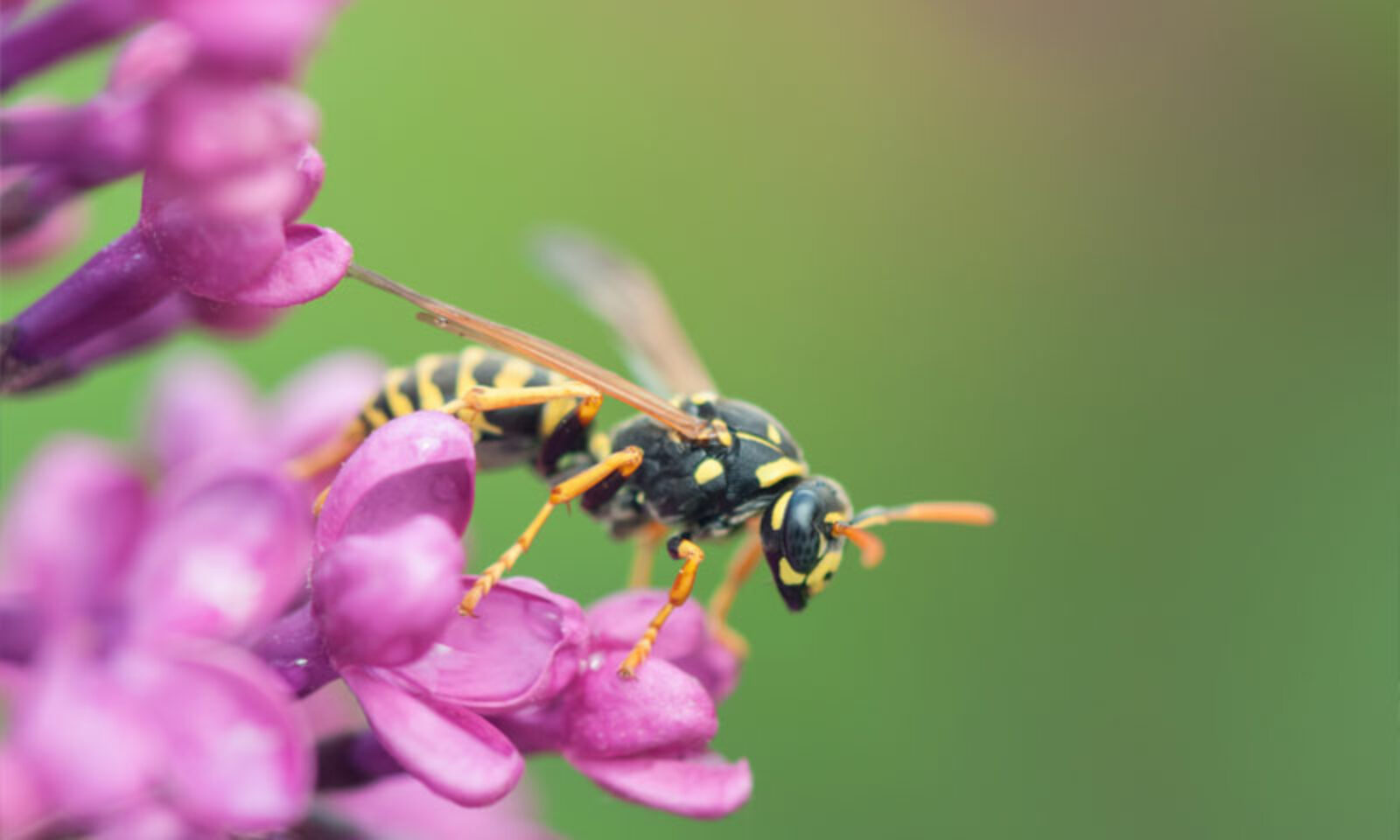
Despite the worry they sometimes cause, there are many benefits of bees and bees are essential to the health of our environment and food systems. In fact, they are responsible for pollinating a significant portion of the crops we rely on every day. Experts often estimate that one out of every three bites of food depends on pollinators like bees. Without them, many of the foods we take for granted—such as apples, blueberries, almonds, cucumbers, and even coffee—would become far less abundant and more expensive.
Why Pollination Matters
Pollination is the process of transferring pollen from one flower to another, allowing plants to produce fruits and seeds. While wind and other animals play a role, bees are among the most efficient pollinators because of how they move between flowers and collect pollen on their bodies.
This process doesn’t just impact farms—it supports:
- Backyard gardens and landscaping
- Wild plants that provide food and shelter for other wildlife
- Entire ecosystems that depend on plant diversity
Without consistent pollination, plant populations decline, which creates a ripple effect across the food chain.
More Than Just Honey Bees
Honey bees tend to get most of the attention, but they’re only part of the story. Native bee species—including bumblebees, carpenter bees, and solitary mason bees—play an equally important role in maintaining ecological balance.
Each type of bee contributes in a different way:
- Bumblebees are excellent at pollinating crops like tomatoes through a process called “buzz pollination”
- Mason bees are incredibly efficient fruit tree pollinators, often outperforming honey bees in early spring
- Solitary bees support a wide range of native plants that honey bees may not visit
A healthy ecosystem depends on this diversity. When multiple pollinator species are present, plants have a much better chance of thriving.
The Role of Responsible Bee Removal
Because bees are so valuable, modern pest control practices—especially with honey bees—often focus on relocation rather than extermination whenever possible. Professional bee removal services work to safely remove colonies and transfer them to environments where they can continue to thrive.
This approach offers a balanced solution:
- Protects homeowners and families from potential stings or structural damage
- Preserves vital pollinators that support agriculture and local ecosystems
- Supports beekeepers and conservation efforts
In many cases, relocated colonies go on to pollinate farms, gardens, or managed hives, continuing their role in the ecosystem.
Why This Matters for Homeowners
Understanding the importance of bees can shift how we view their presence around our homes. While safety should always come first, bees are not simply pests—they are a critical part of the environment we depend on.
By choosing professional removal and relocation when needed, homeowners contribute to:
- Stronger local food systems
- Healthier landscapes and plant life
- Long-term environmental sustainability
A Balanced Perspective
Learning to appreciate bees doesn’t mean ignoring the risks—they can still pose a danger when nests are too close to living spaces. But it does mean recognizing their value and choosing solutions that protect both people and the environment.
When handled the right way, bee removal becomes more than just a service—it becomes part of a larger effort to preserve the ecosystems that sustain us all.