


Late Summer Bee Activity: Why August Is One of the Busiest Times for Bee Removal
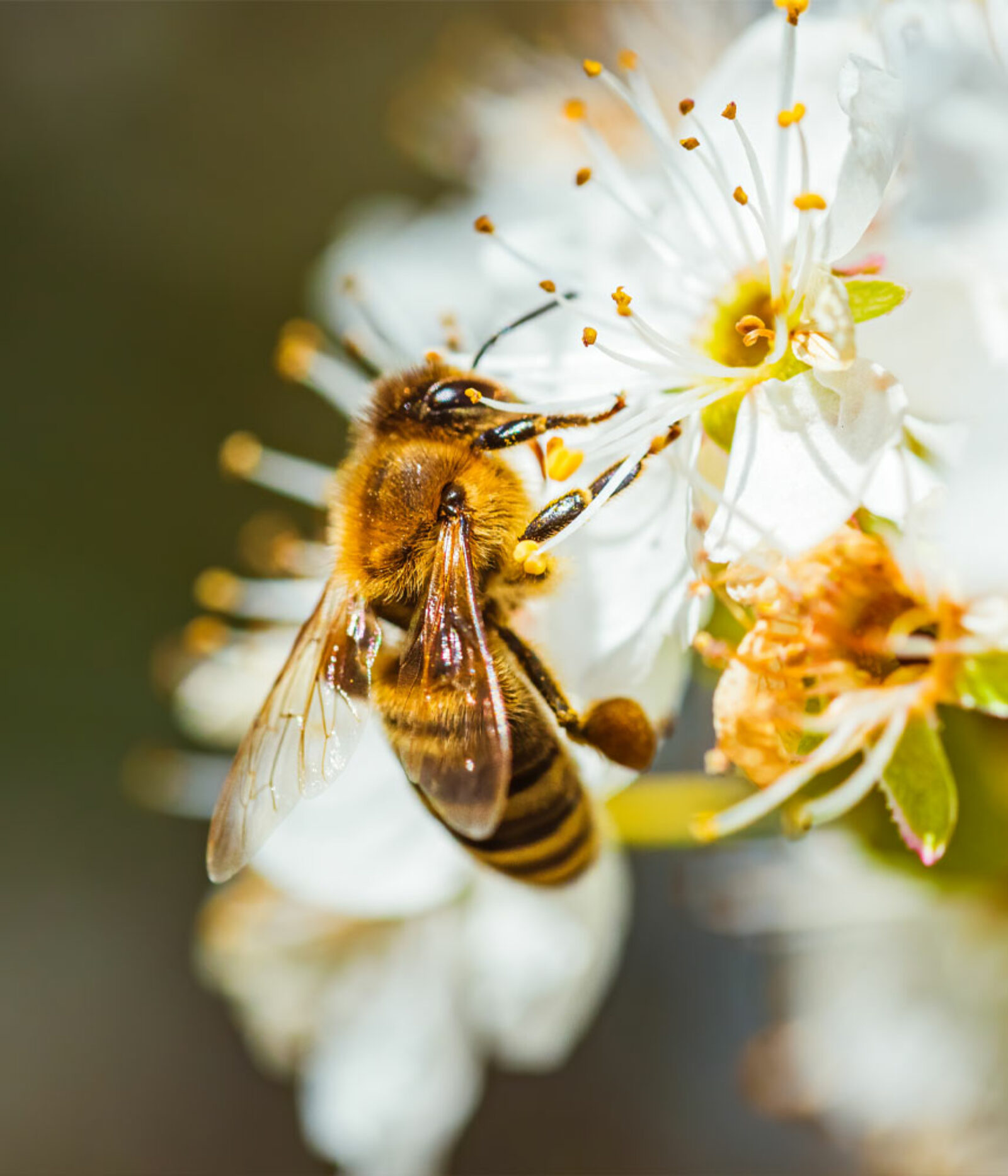
Many homeowners are surprised when they notice an increase in bee activity during August. After all, spring is often associated with bees and flowers. But late summer is actually one of the busiest times of year for bee removal professionals.
Whether you’ve noticed bees flying around your roofline, entering a small hole in your siding, or gathering near your deck, August is often when hidden colonies become impossible to ignore.
Why Are Bees More Active in Late Summer?
By August, many bee colonies have reached their peak population. What may have started as a small hive in the spring has now grown into thousands of bees working together to gather food before cooler weather arrives.
As the colony grows, so does the number of bees entering and leaving the nest each day. This increased activity makes homeowners much more likely to notice a problem that has been developing for months.
Warm Weather Helps Colonies Thrive
Late summer temperatures provide ideal conditions for bees to continue foraging and expanding their food reserves. Honey bees are busy collecting nectar and pollen while yellow jackets become increasingly aggressive as natural food sources begin to decline.
This is why homeowners often report seeing more insects around:
- Garbage cans
- Outdoor dining areas
- Flower gardens
- Fruit trees
- Decks and patios
- Rooflines and soffits
Not every bee you see indicates a nest on your property, but consistent activity in one location is worth investigating.
Common Places Bees Build Nests
Many colonies remain hidden until they become large enough to attract attention.
Some of the most common nesting locations include:
- Inside walls
- Behind brick veneer
- Under roof shingles
- Attics
- Chimneys
- Soffits
- Hollow trees
- Utility boxes
Because bees can enter through openings as small as a quarter-inch, homeowners often have no idea a colony exists until thousands of bees are present.
Don’t Wait Until Fall
One of the biggest mistakes homeowners make is waiting until colder weather arrives.
A colony left inside your home doesn’t simply disappear when temperatures drop. Honeycomb, wax, and stored honey remain inside the structure and can attract rodents, ants, wax moths, and future bee colonies.
The longer a hive remains, the larger it becomes—and the more extensive the cleanup and repairs may be.
Avoid DIY Bee Removal
While it may be tempting to spray bees or seal the entrance yourself, doing so often creates bigger problems.
Blocking the entrance can trap bees inside walls, causing them to search for another way out—which may be into your home. Spraying pesticides can also kill the colony without removing the honeycomb, leaving behind structural damage and attracting other pests.
Professional removal addresses the entire colony instead of just the visible bees.
When Should You Call a Professional?
It’s time to contact a bee removal specialist if you notice:
- Bees consistently entering the same hole
- Buzzing sounds inside walls or ceilings
- Large numbers of bees around your roofline
- Swarms settling on your property
- Bees appearing indoors near windows or light fixtures
Early intervention almost always results in a simpler and less costly removal.
Safe Bee Removal Protects Both Your Home and Pollinators
Honey bees are essential pollinators that play a critical role in our food supply and local ecosystems. Whenever possible, they should be safely removed and relocated rather than exterminated.
At TruNorth Bee Removal, we specialize in live honey bee removal while also providing safe removal of yellow jackets, hornets, and other stinging insects throughout Illinois, Indiana, and Michigan. Our goal is to protect your family, preserve important pollinators whenever possible, and ensure your home is protected from future infestations.
If you’ve noticed increased bee activity around your home this August, don’t ignore it. Having a professional inspect the situation early can save you time, money, and significant repairs later.