


How Local Flowers and Plants Attract Bees
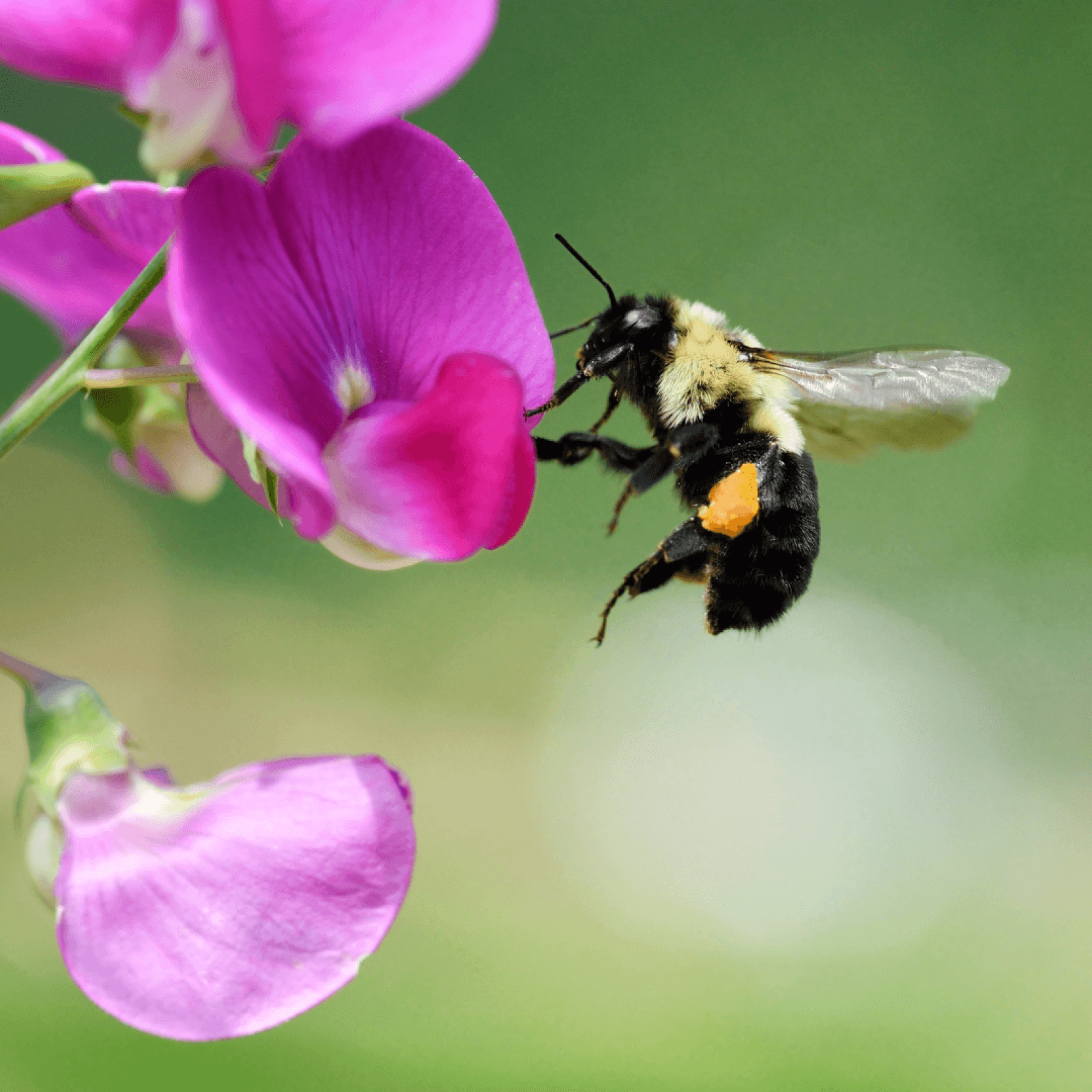
Bees are among the most important pollinators in nature, and the local flowers and plants growing around your home play a significant role in attracting them. Understanding which flowers, trees, and shrubs draw bees can help homeowners create a beautiful landscape while reducing unwanted encounters near entrances, patios, and other high-traffic areas.
Why Bees Are Attracted to Local Flowers & Plants
Bees rely on nectar and pollen as their primary food sources. Nectar provides energy, while pollen supplies the protein and nutrients needed to support developing bee larvae. Because of this, bees naturally seek out plants that produce abundant flowers and offer easy access to these valuable resources.
Many flowering plants have evolved specifically to attract pollinators. Bright colors, sweet fragrances, and unique flower shapes help guide bees directly to the nectar they need. Bees are particularly attracted to flowers in shades of blue, purple, white, and yellow, which stand out clearly to their vision.
Common Local Flowers & Plants That Attract Bees
Many popular landscaping plants are excellent food sources for bees. Some of the most common bee-attracting plants include:
- Lavender
- Coneflowers
- Black-eyed Susans
- Milkweed
- Goldenrod
- Bee balm
- Sunflowers
- Salvia
- Clover
- Wildflowers
Flowering shrubs such as lilac, spirea, and hydrangea can also attract pollinators during bloom periods. In addition, flowering fruit trees like apple, pear, cherry, and peach trees often become buzzing centers of activity when blossoms emerge in the spring.
Vegetable gardens can be especially attractive to bees as well. Crops such as cucumbers, squash, pumpkins, peppers, and tomatoes depend on pollination, making bee activity both common and beneficial.
Native Plants Support Healthy Bee Populations
Native plants are among the best choices for supporting local pollinators. These plants have evolved alongside native bee species for thousands of years, creating a natural relationship that benefits both the insects and the ecosystem.
In the Midwest, native plants such as coneflowers, milkweed, goldenrod, blazing star, and prairie clover provide excellent food sources throughout the growing season. By planting a variety of native flowers that bloom at different times of the year, homeowners can help ensure bees have access to food from spring through fall.
Supporting native bee populations contributes to healthier gardens, stronger ecosystems, and improved pollination for nearby trees and plants.
When Bee-Friendly Landscaping Creates Challenges
While attracting bees can benefit gardens and local ecosystems, it may occasionally create concerns for homeowners. Areas with abundant flowering plants can encourage increased bee activity, particularly if a hive or nest is located nearby.
For example, planting large clusters of bee-attracting flowers directly next to front doors, walkways, decks, or children’s play areas can increase the likelihood of close encounters. Although most bees are not aggressive, frequent interactions can become concerning for individuals with allergies or a fear of stinging insects.
In some cases, a colony may establish itself in a nearby tree, wall void, shed, or other protected area if the environment provides easy access to food and water sources.
Smart Landscaping Tips to Reduce Bee Encounters
Homeowners can enjoy the benefits of pollinator-friendly landscaping while minimizing potential conflicts by following a few simple guidelines:
Plant Flowers Away From Entrances
Place highly attractive flowering plants away from front doors, garage entrances, patios, and outdoor seating areas. This allows bees to forage without crossing paths with people as frequently.
Create Dedicated Pollinator Zones
Consider establishing a pollinator garden in a less-trafficked section of the yard. This gives bees a concentrated food source while keeping activity away from commonly used spaces.
Maintain Trees and Structures
Regular inspections of trees, sheds, fences, and exterior walls can help identify potential nesting locations before colonies become established.
Provide Variety
A diverse landscape with plants that bloom throughout the season supports pollinators without concentrating large numbers of bees in one area at a single time.
Finding the Right Balance
Bees are essential pollinators that contribute to healthy gardens, productive crops, and thriving ecosystems. The flowers and plants in your yard naturally attract them, especially when those plants provide abundant nectar and pollen.
By thoughtfully designing your landscape and strategically placing bee-attracting plants, you can support local pollinator populations while reducing unwanted bee activity around your home. A balanced approach allows homeowners to enjoy colorful gardens, healthy plants, and the many environmental benefits that bees provide.