


How to Prevent Stings
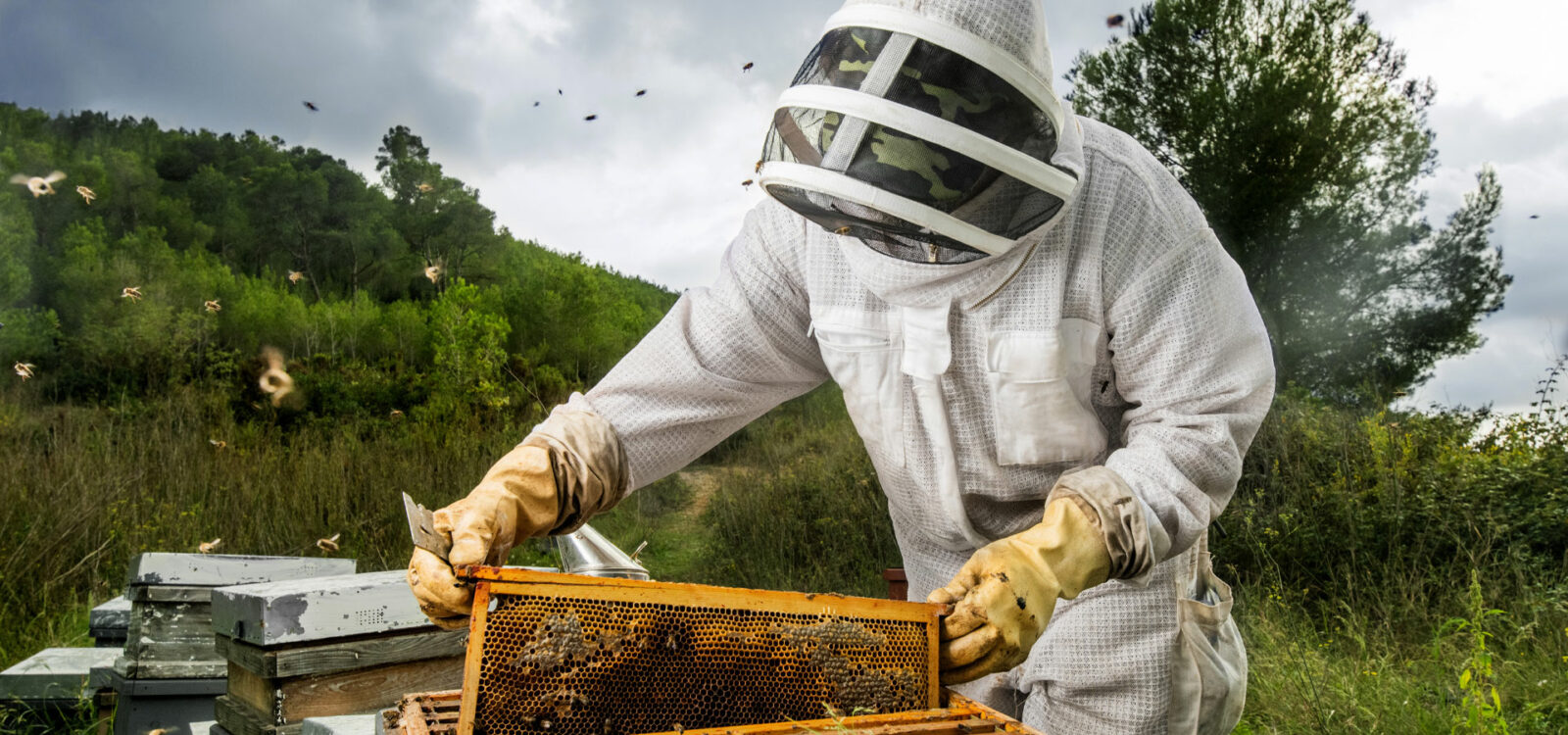
No one enjoys a painful sting, and while it’s impossible to avoid insects entirely, there are many practical ways to reduce your risk of being stung. Awareness is one of the simplest and most effective tools. When spending time outdoors, especially during warmer months, be mindful of what may attract insects. Sweet drinks, uncovered food, and sugary residues are powerful magnets for yellow jackets and wasps. Always keep beverages covered when possible, seal food containers promptly, and dispose of leftovers quickly. Ensuring trash cans have tight-fitting lids and cleaning picnic or patio areas after meals can significantly cut down on unwanted visitors.
Clothing & Equipment To Prevent Stings
What you wear also plays a role in preventing stings. Bright colors, bold patterns, and floral prints can attract bees and other stinging insects that mistake them for flowers. Loose or baggy clothing may allow insects to fly inside and become trapped against your skin, increasing the chance of a sting. Choosing light, neutral-colored clothing that fits comfortably but not loosely can help reduce this risk. Additionally, avoiding heavily scented lotions, perfumes, shampoos, or deodorants is important, as these smells can lure insects from a surprising distance.
Sting Allergies & Prevention
For individuals with known insect sting allergies, preparation is essential. Always carry prescribed emergency medication, such as an epinephrine auto-injector, and make sure it is not expired. Family members, friends, coworkers, or caregivers should know where this medication is kept and how to use it if necessary. Even for those without known allergies, it’s important to recognize warning signs of a serious reaction. Seek immediate medical attention if swelling spreads beyond the sting site, hives develop, dizziness occurs, or breathing becomes difficult. Acting quickly can be lifesaving.
Prevention doesn’t stop when you come indoors—it starts at home. Regularly inspect the exterior of your house for small gaps, cracks, or openings in siding, eaves, and foundations, and seal them promptly. Repair torn window and door screens to keep insects from entering living spaces. Keeping shrubs, hedges, and trees trimmed away from the house discourages nesting near entry points, while removing fallen fruit or debris from the yard eliminates potential food sources.
Preventing Stings
By combining outdoor awareness, smart clothing choices, emergency preparedness, and routine home maintenance, you can greatly reduce the risk of painful stings. These simple, proactive measures help make your yard, patio, and outdoor gatherings more comfortable, enjoyable, and safe for everyone.