


What Happens During a Professional Bee Removal
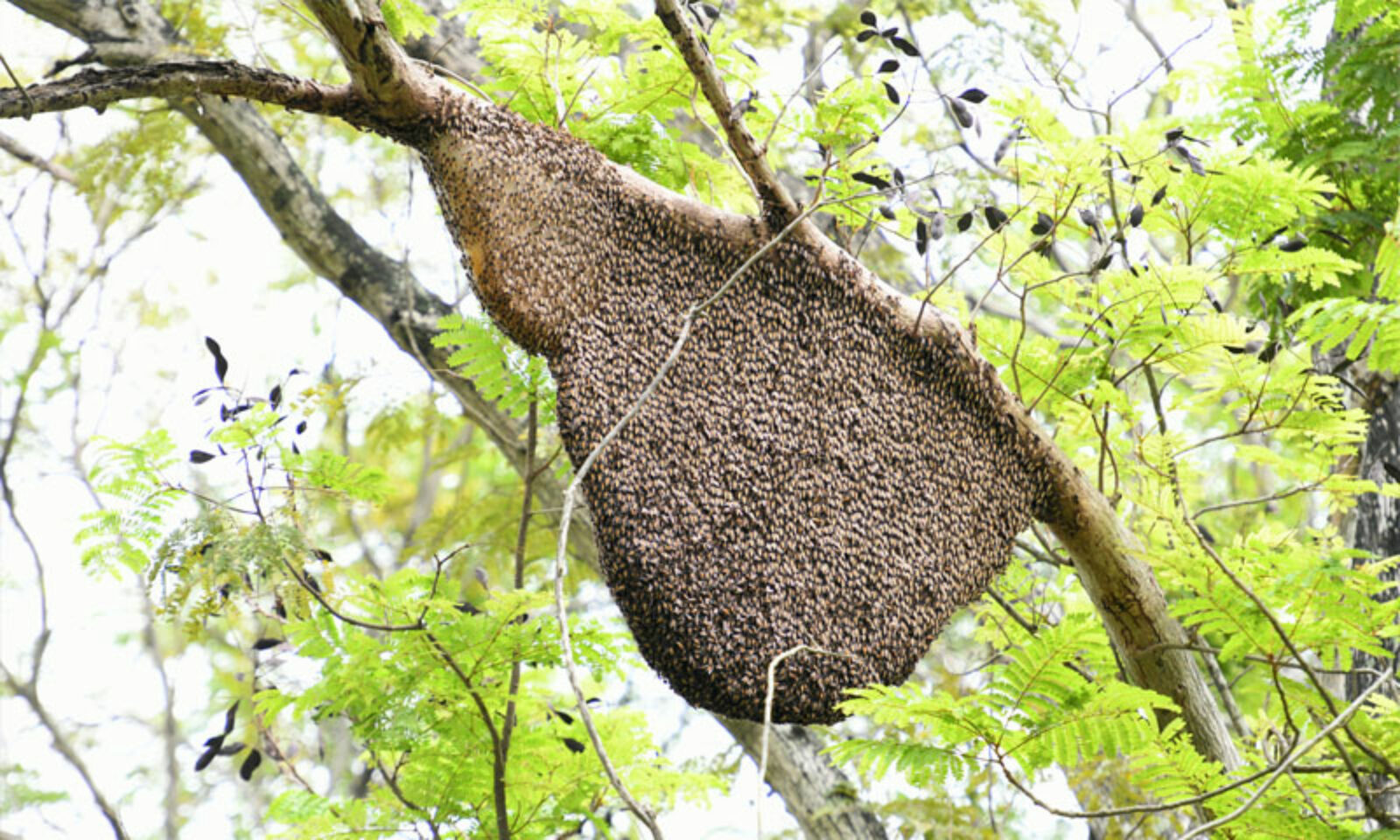
Many homeowners feel anxious when they discover a bee or wasp nest on their property and wonder what actually happens during a professional removal. The process is far more careful and methodical than most people expect. Professional bee removal is designed not only to address the immediate issue, but also to protect people, property, and—when possible—the insects themselves.
When our team arrives, the first and most important step is proper identification. Not all stinging insects behave the same way, and each species requires a different approach. Determining whether the insects are honey bees, bumblebees, wasps, or hornets allows us to decide the safest and most responsible course of action. In many cases, honey bees can and should be relocated due to their vital role in pollination, while more aggressive species like wasps or hornets may need to be removed to protect household members.
Once the species is identified, we locate the nest or hive. This step often involves a detailed inspection of the property. Nests can be hidden in wall cavities, attics, chimneys, sheds, eaves, or even underground. Using specialized tools and techniques, our technicians are able to pinpoint the colony’s location without causing unnecessary damage to your home. This careful approach helps minimize repairs and ensures the entire nest is addressed, not just the visible portion.
If the insects are honey bees, relocation is often the preferred option. In these situations, we may partner with experienced local beekeepers who safely transfer the hive to a suitable environment where the bees can continue to thrive. Protective gear is used throughout the process to keep technicians safe and to reduce stress on the colony during removal and transport.
For wasps and hornets, the process focuses on complete and effective removal. This typically involves carefully dismantling or treating the nest so the colony cannot return or rebuild. Safety is a top priority, as these insects can be highly defensive when their nests are disturbed. Professional equipment and proven techniques allow the job to be done efficiently and with minimal risk to homeowners.
The final step is education and prevention. After the removal is complete, homeowners receive guidance on how to reduce the chances of future infestations. This may include sealing entry points, removing attractants, or modifying landscaping features that make nesting sites appealing. Many people are surprised by how informative the experience is—it’s not just about removing insects, but understanding why they chose that location and how to make your property less inviting moving forward.
A professional bee removal provides peace of mind, protects your home, and ensures the situation is handled responsibly from start to finish.